
Over the few years, cupping therapy has become very popular in the health and wellness community. Many people, from athletes to individuals who are dealing with stress and muscle pain, are trying cupping therapy as a way to take care of their bodies. Even though it seems like a trend, cupping therapy has actually been around for thousands of years and is used in many different cultures.
Cupping therapy is known for the marks it leaves on the skin, but there is more to it than just those marks. People who support cupping therapy think it can help relax the body, improve blood flow and relieve muscle pain.
Understanding Cupping Therapy
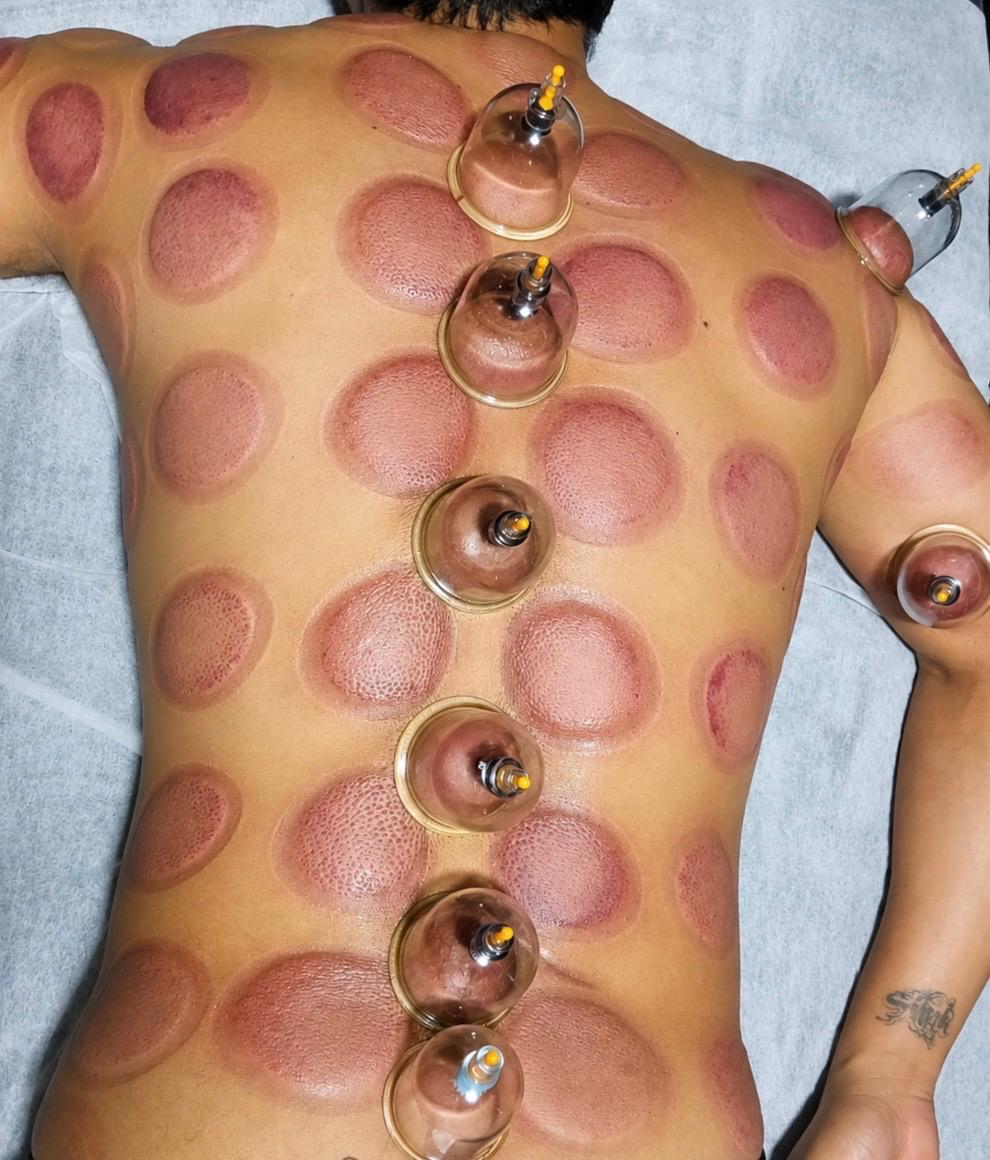
Cupping therapy is a healing technique that involves putting special cups on the skin to create suction. This suction gently lifts the skin and the tissues underneath, which helps to stimulate blood flow and promote healing. Cupping therapy is used on areas like the back, shoulders, neck and legs where people often get sore muscles. A session of cupping therapy can last anywhere from a minute to half an hour, depending on the method used.
Even though cupping therapy has been around for centuries, it is still used today in parts of the world both as a traditional treatment and as part of modern wellness routines. Cupping therapy is a healing technique that has been used for thousands of years, and it is still used today because it is effective.
Why People Choose Cupping Therapy
One of the reasons people try cupping therapy is to relieve physical pain. Many people today have jobs that involve sitting for hours doing the same movements over and over, and dealing with a lot of stress, all of which can cause muscle tension and fatigue. Cupping therapy is used to relieve this kind of pain. Many people who have tried cupping therapy say they feel relaxed during and after the treatment. Some people think it helps reduce muscle stiffness, while others use it as part of their recovery routine after exercising or doing an activity.
Beyond the benefits, some people like the calming experience of taking time to focus on their health and wellness. Cupping therapy is a way for people to take care of their bodies and minds. People choose cupping therapy because it is a way to take care of their bodies, and it helps them feel relaxed and relieved.
Types of Cupping Therapy
There are a few ways to do cupping therapy but the two most common methods are dry cupping and wet cupping.
Dry Cupping
Dry cupping is the more common method. In this method, cups are put on the skin after creating suction inside them. The cups are left on for a minute, which allows the suction to work on the area being treated. Many people choose cupping because it is not invasive and does not require any cuts or extra procedures. Dry cupping is an effective way to relieve muscle tension and promote healing.
Wet Cupping
Wet cupping, also known as Hijama, involves making cuts on the skin before putting on the cups. Practitioners of cupping think this method helps remove bad substances from the body in a controlled way. Because this method involves making cuts on the skin it should only be done by a trained and qualified professional who follows strict hygiene rules. Wet cupping is an intense form of cupping therapy and it should only be done by someone who is experienced and qualified.
The Marks Left Behind
The round marks that appear on the skin after cupping therapy are probably the most recognisable part of the treatment. These marks are caused by the suction created by the cups. Can be different colours, from light pink to dark purple. At first, the marks may look alarming. They are usually temporary and fade away on their own after a few days or weeks. The intensity of the marks can vary from person to person depending on factors like skin sensitivity, blood flow and the amount of suction used during the session. The marks left behind by cupping therapy are a part of the treatment, and they will fade away on their own.
What Does Science Say?
Scientists are still studying cupping therapy to see how well it works. While some studies suggest that it may help relieve types of pain and muscle tension, experts are still investigating its long-term benefits. Many healthcare professionals think that more research is needed before we can say for sure how well cupping therapy works. However, many people have had experiences with cupping therapy, which has helped make it popular. Cupping therapy should be used in addition to, not in place of, professional medical care, especially for serious or chronic health conditions.
Is Cupping Therapy Safe?
When done by a trained practitioner, cupping therapy is generally safe for healthy people. Some temporary side effects may occur, like bruising, skin discolouration, soreness or feeling a little tired after treatment. People with bleeding disorders, skin infections or certain medical conditions should talk to a healthcare professional before trying cupping therapy. It is very important to choose a practitioner who follows proper safety and hygiene practices to minimise risks and have a positive experience. Cupping therapy is an effective way to relieve muscle tension and promote healing as long as it is done by a trained and qualified practitioner.
Final Thoughts
Cupping therapy is an example of how old healing practices are still used today in modern wellness trends. Its long history and growing popularity have helped it stay relevant in today’s health world. While opinions about its effectiveness vary, many people find cupping therapy to be a worthwhile experience. Whether used for muscle recovery, stress relief or general wellness, cupping therapy continues to attract people who are looking for ways to take care of themselves. As with any health-related treatment, making decisions and talking to qualified professionals can help ensure that the experience is both safe and beneficial. Cupping therapy is a healing technique that has been used for thousands of years, and it is still used today because it is effective and safe.