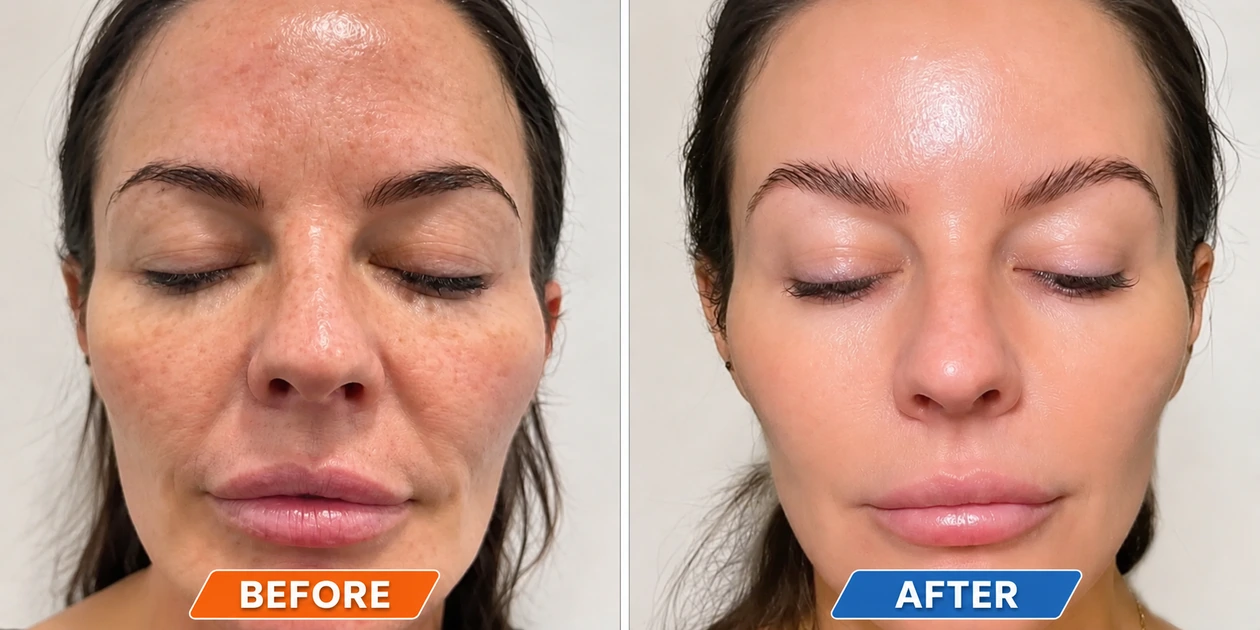

Dark patches around the neck, underarms or other body folds can make people feel uncomfortable about their appearance. Many people assume these areas become darker because of sweat, dirt or poor hygiene. However, persistent dark, thick and velvety skin may be a sign of a condition called acanthosis nigricans.
Understanding what causes these changes is the first step towards choosing the right treatment and maintaining healthy skin. If you have noticed unusual skin darkening, it is important to look beyond cosmetic solutions and understand what your skin may be telling you.
What Is Acanthosis Nigricans?
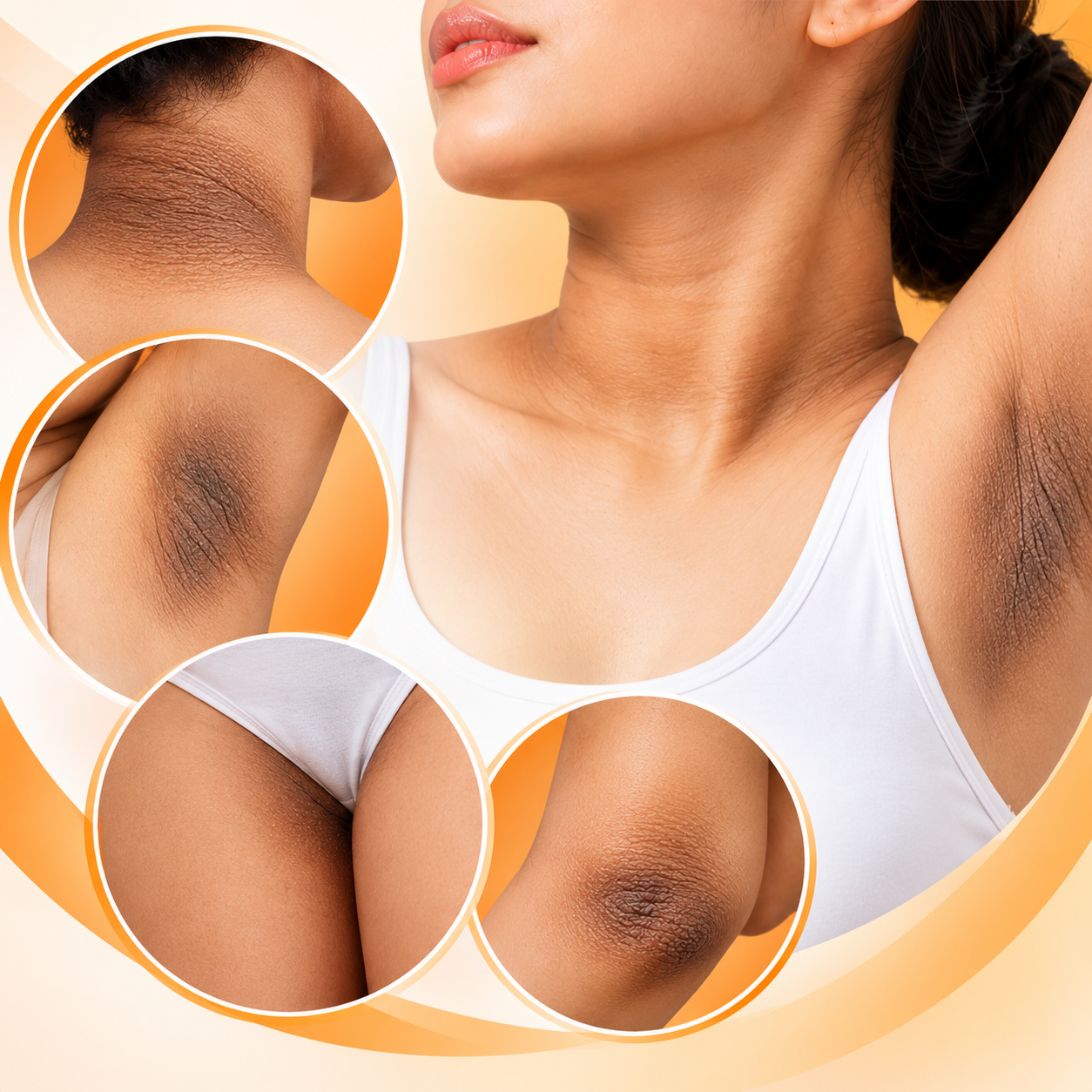
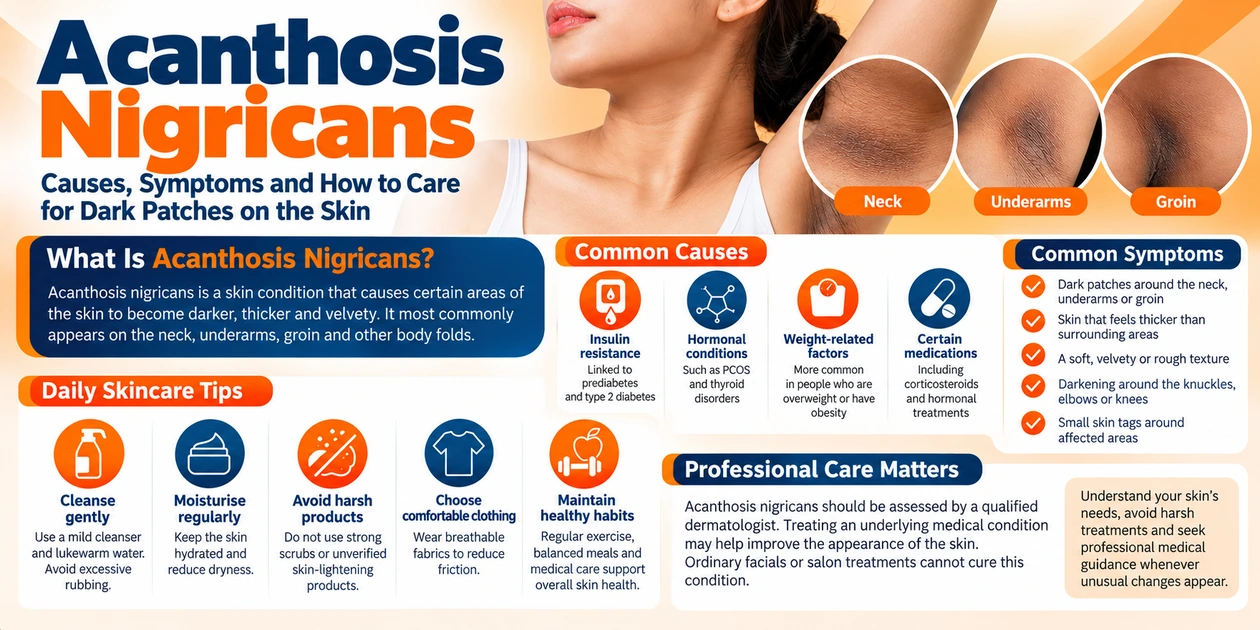
Acanthosis nigricans is a skin condition that causes certain areas of the skin to become darker, thicker and velvety. It most commonly appears on the back and sides of the neck, underarms, groin and areas beneath the breasts. Sometimes, it also affects the elbows, knees and knuckles.
The affected skin may feel rough or appear greyish-brown to black compared with the surrounding skin. Some people also develop small skin growths called skin tags.
Although acanthosis nigricans is not contagious, it should not be ignored. In many cases, it is associated with an underlying health condition that needs medical attention.
What Causes Acanthosis Nigricans?
Several factors can contribute to the development of acanthosis nigricans. Identifying the underlying cause helps determine the most appropriate treatment.
- Insulin resistance
Insulin resistance is one of the most common factors associated with acanthosis nigricans. It occurs when the body’s cells do not respond effectively to insulin. This condition can be associated with prediabetes and type 2 diabetes.
- Hormonal conditions
Certain hormonal conditions, including polycystic ovary syndrome (PCOS) and thyroid disorders, may be associated with these skin changes.
- Weight-related factors
Acanthosis nigricans occurs more frequently in people who are overweight or have obesity. However, people at any weight can develop the condition.
- Certain medications
Some medicines, including corticosteroids and hormonal treatments, may contribute to skin changes. Never stop prescribed medication without consulting your doctor.
Common Symptoms to Look For
Acanthosis nigricans usually develops gradually. The most noticeable symptoms include:
- Dark patches around the neck, underarms or groin.
- Skin that feels thicker than the surrounding areas.
- A soft, velvety or rough skin texture.
- Darkening around the knuckles, elbows or knees.
- Small skin tags around affected areas.
The patches may not cause pain or itching. However, if the skin becomes irritated, develops an unusual odour or changes rapidly, seek medical advice.
Sudden or widespread darkening requires prompt medical evaluation.
How Is Acanthosis Nigricans Treated?
The right treatment depends on the cause. A doctor may examine the affected skin and recommend blood tests or other investigations to check for insulin resistance, diabetes or hormonal problems.
When an underlying condition is identified, treating it may gradually improve the appearance of the skin. A dermatologist may also recommend specific creams or other treatments to manage skin thickening and pigmentation.
Avoid trying to remove the patches by scrubbing aggressively. Harsh exfoliation, unprescribed bleaching creams and irritating home remedies can damage the skin and make the problem worse.
Remember that ordinary facials, body polishing and salon treatments do not cure acanthosis nigricans. Professional medical advice should come first.
Daily Skincare Tips for Healthier Skin
While medical evaluation remains essential, a gentle skincare routine can help maintain the skin’s comfort and condition.
Cleanse gently: Use a mild cleanser and lukewarm water. Avoid excessive rubbing, particularly around the neck and underarms.
Moisturise regularly: A suitable moisturiser can help keep the skin hydrated and reduce dryness.
Avoid harsh products: Strong scrubs, unverified skin-lightening products and irritating ingredients may worsen skin irritation.
Choose comfortable clothing: Breathable fabrics can help reduce friction and discomfort in areas where skin folds meet.
Maintain healthy habits: Regular physical activity, balanced meals and appropriate medical care can support overall health, particularly when insulin resistance is involved.
If you are unsure which products are suitable for your skin, consult a qualified dermatologist before starting a new treatment.
Why Professional Skin Care Matters
Healthy skin requires more than surface-level care. Understanding the difference between ordinary pigmentation and a medical skin condition helps you make informed decisions about your skincare routine.
At BFS Salon & Spa, we believe that personal care should begin with understanding individual needs. Our team can help you explore suitable salon services for general hair and beauty care. However, suspected acanthosis nigricans should first be assessed by a qualified medical professional.
Once you understand your skin’s needs, you can make better choices about the treatments and daily habits that support its overall appearance.
Frequently Asked Questions
Can acanthosis nigricans be removed permanently?
The outcome depends on the underlying cause. Treating an associated medical condition may help the patches fade, although some cases require additional dermatological treatment.
Is acanthosis nigricans caused by poor hygiene?
No. It is not simply a result of poor hygiene, and vigorous scrubbing will not remove the condition.
Does acanthosis nigricans mean I have diabetes?
Not necessarily. However, it can be associated with insulin resistance and may indicate a need to check blood glucose levels. Consult your doctor for an appropriate assessment.
Can salon treatments cure dark patches caused by acanthosis nigricans?
No. Salon treatments cannot address the underlying medical causes. A dermatologist should recommend treatment for the condition.
Conclusion
Acanthosis nigricans is more than a cosmetic concern. Dark, thickened skin around the neck, underarms or other body folds may indicate an underlying health issue that deserves attention. Early medical assessment, appropriate treatment and gentle skincare can help you manage the condition more effectively.
Take care of your skin by understanding its needs, avoiding harsh treatments and seeking professional medical guidance whenever unusual changes appear.
About BFS Salon & Spa
BFS Salon & Spa offers professional hair and beauty services for clients seeking personalised self-care.
For bookings, call 9331010720.